


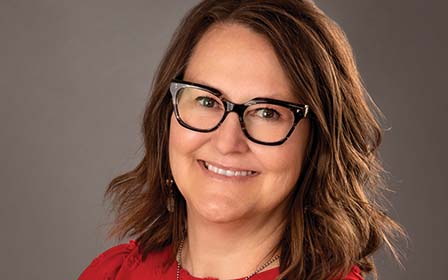
Q: What led you to community banking? And what keeps you here?
A: I earned my bachelor’s degree in accounting, then accepted a full-time teller role at First International Bank & Trust. After 29 years, I’m now an internal audit specialist at the bank, incorporating experiences from several previous roles that helped me understand the bank as a whole.
Q: What does a typical workday look like?
A. My workday centers around audits, so I am often reviewing documents, processes and controls, asking questions and collaborating with employees. I also still pitch in at the branch when needed, greeting and assisting drive-thru customers.
Q: What advice would you give to someone new to this role or considering a similar career path?
A: Take advantage of every learning opportunity offered, including internal and outside classes, webinars and conferences. Never hesitate to ask questions.
Take the next step
The next ICBA Audit Institute will be livestreamed on October 6–8 and 13–15. To register, or learn how ICBA certifications and related events can help your career, visit icba.org/certification
Q: How have your ICBA certifications affected your effectiveness and professional credibility?
A: ICBA certifications helped me grow professionally, expanding my experience and filling knowledge gaps. They have increased the level of trust others place in my work and reinforced my ability to contribute thoughtful input across the bank.
Q: What’s one takeaway from an ICBA institute or seminar you were able to apply immediately?
A: At the Annual Current Issues Certification Conference, we reviewed ways to analyze Home Mortgage Disclosure Act data during fair lending reviews. I referred to the conference materials and incorporated examples into an internal audit, which made my review more well-rounded and revealed comparison areas I could have missed.
Q. What’s a challenge you’re currently tackling? How are you approaching it?
A. I’m currently working through a complex audit area with a colleague who is completing ICBA’s Audit Certification program. We plan to apply insights from this to strengthen our approach to the issue.
Q: Why does maintaining a relationship with all areas of your bank matter?
A: Maintaining relationships across the bank eases communication, encourages honesty and makes audits more collaborative and productive.
Q: How does your bank use training and education to develop future leaders?
A: FIBT encourages job-related training and education and offers tools for personal growth and leadership skills. We invest in programs that help employees communicate effectively, grow professionally and strengthen the organization.