


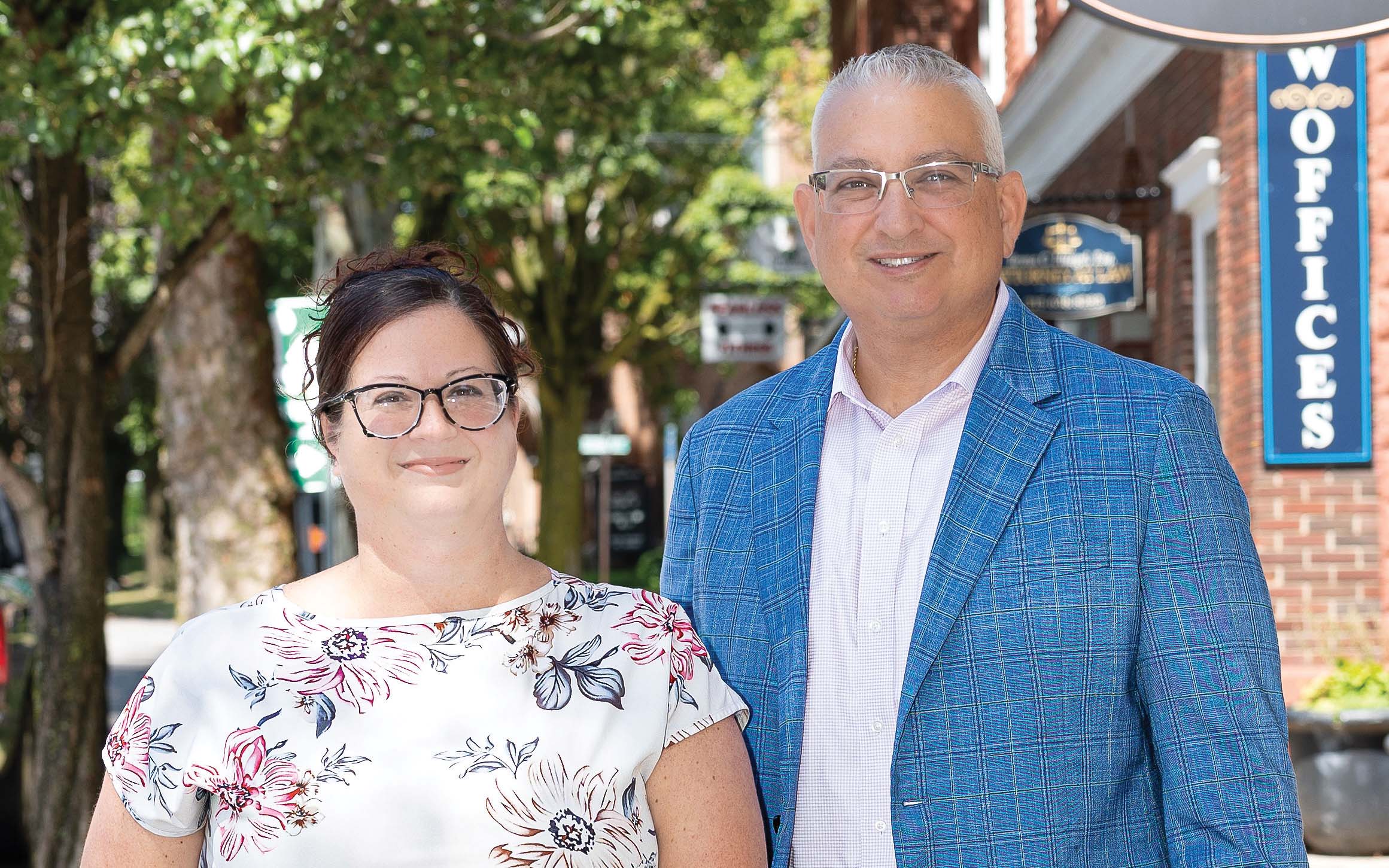
Name:
Seneca Savings Bank N.A.
Assets:
$315 million
Location:
Baldwinsville, New York
Every other Friday, Seneca Savings Bank N.A. in Baldwinsville, New York, sends its customers an email that could save them thousands of dollars. The initiative, called Fraud Friday, delivers timely, practical information about the latest scams targeting consumers and businesses.
It’s part of the $315 million-asset community bank’s commitment to help customers spot fraud before it becomes a costly mistake.
“Fraud is so rampant that we want to communicate with our customers on a regular basis,” explains Joseph Vitale, president and CEO of Seneca Savings Bank.
The emails cover many common precautions and warnings, such as telephone scams that attempt to elicit PINs, online banking passwords or security words; romance scams; phishing attempts; the dangers of logging in over public Wi-Fi; and check washing.
Fraud hits businesses, too
The community bank also distributes the information to local chambers of commerce and their member businesses. Federal regulations allow businesses far less time than consumers to dispute certain fraudulent transactions, so Seneca takes the extra step of calling its business customers directly.
“Businesses have a very short window—really, about 48 hours—when they can come to the bank and challenge fraud,” explains Jamie Nastri, senior vice president of operations. “We call to make them aware of various scams that are out there.”
Nastri adds that these calls give Seneca Savings Bank an opening to discuss services such as Positive Pay that can help businesses protect their accounts. These conversations often extend to other fraud-fighting practices, such as verifying wire requests in person rather than relying solely on phone contact.
A need for fraud education
Vitale and Nastri started the Fraud Friday initiative in 2024. They realized that, with fraud constantly changing, customer education cannot be a one-time event.
“As new fraud comes forward, we share it with marketing and educate customers right away,” Nastri says. “Fraud isn’t a conversation you have once. You have to keep talking about it.”
They enlisted the marketing department to establish a consistent schedule for communication. “Jamie and I talked about creating something on a regular cadence—something new that would educate customers without inundating them,” Vitale recalls.
Fraud Friday emails draw content from a range of sources, starting with ICBA. “ICBA is a great partner for useful information,” Vitale notes.
Seneca also makes use of regulatory agencies and industry partners such as the Financial Crimes Enforcement Network, Verafin and Fiserv to adapt topics to seasonal concerns and emerging scams. Frequently, Seneca coordinates email topics with other prominent campaigns, such as Elder Abuse Awareness month in June. The community bank amplifies some alerts through social media when it addresses particularly timely threats.
Printed brochures from industry and government sources are also displayed in bank lobbies.
Enlisting tellers
5 common scams Seneca Savings Bank has encountered
- Stolen and “washed” checks
- Counterfeit cashier’s checks
- Debit cards—card not present or not authorized/recognized
- Scammers impersonating a bank, government agency or investment firm
- Romance scams
The customer-education initiative is backed up with training for frontline staff, which has been essential to opening customers’ eyes to fraud. Regular huddles ensure staff are up to speed on the specifics of Seneca’s fraud communications.
Frontline staff are encouraged to ask customers questions whenever transactions appear unusual. “If someone comes in with activity that doesn’t fit their normal banking patterns, we’ll ask what’s going on,” Vitale says. “Sometimes, those conversations uncover romance scams or other situations where customers are about to lose money.”
Seneca’s marketing department writes scripts to help employees guide conversations and answer questions. “We find the scripts to be the most effective way to have those conversations,” says Nastri.
She reports that successes preventing fraud generate momentum among staffers. “Once one teller stops something fraudulent, the next person wants to stop something too,” she says. “We celebrate those wins.”
Fraud education gets results
Among the community bank’s most significant recent successes was preventing a $100,000 ACH fraud. The fraud took a form many community banks have encountered: a fraudster posing as a Seneca Savings Bank representative called a business customer. Because this customer had already been dealing with the bank on another matter, the customer believed the caller was legitimate and disclosed all their online banking credentials.
It could have been a disaster. But when the $100,000 ACH transaction came through, a Seneca Savings team member recognized how unusual the account activity was and shut everything down immediately.
“They stopped the transactions, contacted the customer immediately and discovered all the credentials had been compromised,” Vitale recounts.
Customers have responded enthusiastically to the bank’s proactive approach. They regularly contact the bank after receiving Fraud Friday emails to ask questions about suspicious texts, emails or social media messages they’ve received.
“We hear things like, ‘I just got your email, and this happened to me. Can we talk it through?’” Nastri says. “People tell us, ‘Thank you. I didn’t know.’ That’s exactly what we want. We want to be their trusted advisor.”
For Vitale, those conversations are the strongest measure of success.
“As long as we’re educating our customers and making them aware of real risks, we’re accomplishing our goal,” he says. “The positive feedback tells us the information is useful—and hopefully it helps people avoid becoming the next victim. It’s not a check-the-box exercise. We want to protect our customers’ money as if it were our own.”