


How Community Banks Are Creating Solutions to Navigate the End of Penny Production
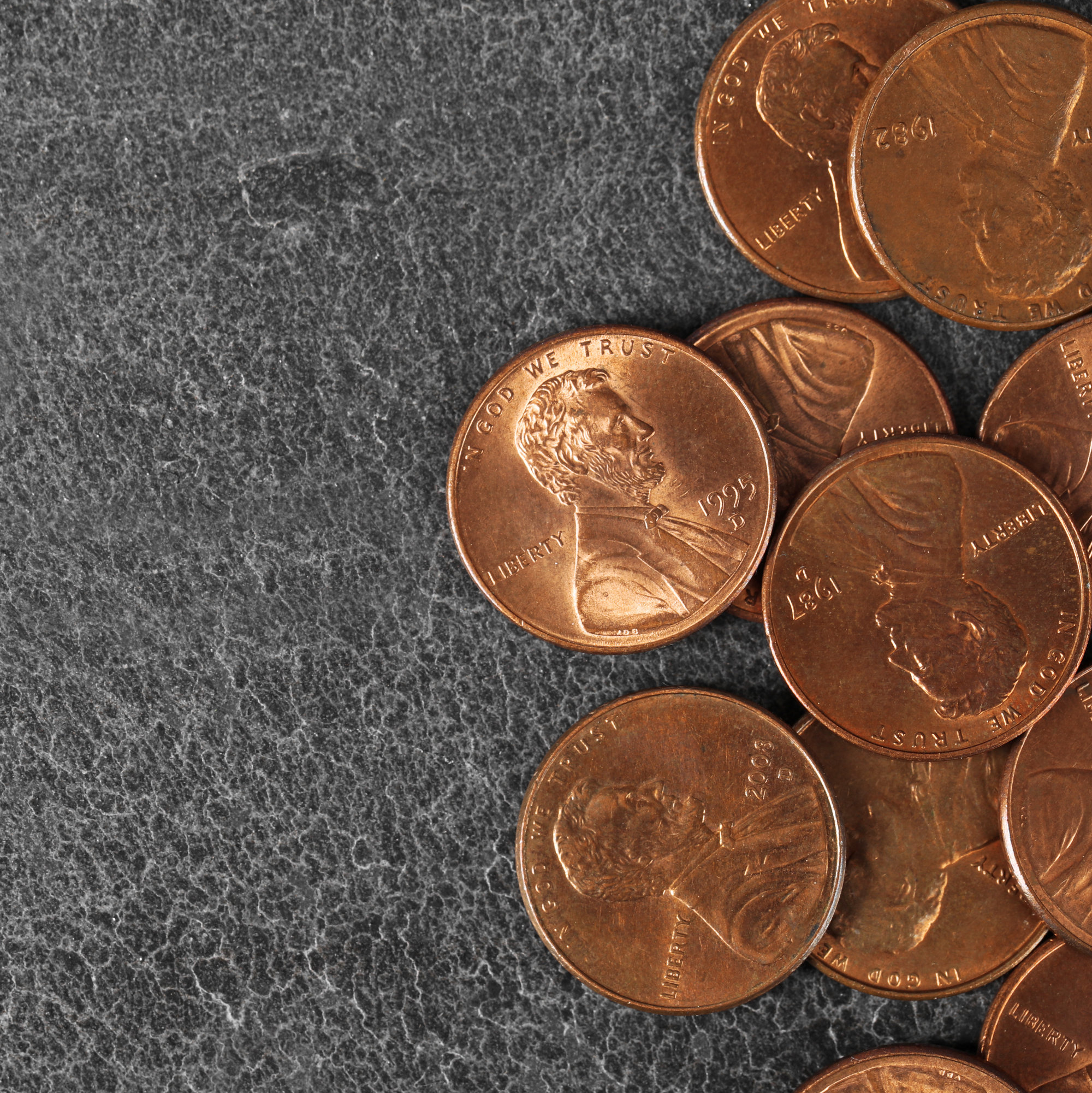
With the federal government officially discontinuing production of new pennies, community bankers and the consumers they serve have many questions about how to navigate this new environment.
ICBA called on the Treasury Department to reconsider penny production until a formal phaseout plan was developed, but the U.S. Mint’s November announcement that it has struck its last penny requires community banks to consider methods for dealing with the absence of the coin following 232 years of production.
While the industry continues to await further guidance from Treasury, community bankers are responding in various ways and sharing their approaches via the ICBA Community online platform. Below are some solutions community banks are utilizing to offset the impact of the shrinking availability of pennies.
Accepting Penny Deposits
Community banks may continue to accept penny deposits from customers and encourage depositors to bring in coins they’ve stored at home. This helps recirculate existing pennies into the economy.
Limiting Penny Withdrawals
With no new pennies available, banks are rationing their remaining supply. For example, some community banks cap business customers at a few rolls of pennies per week.
Depositing Leftover Cents
Some banks credit leftover cents from check cashing or withdrawals directly into customer accounts. For example, customers cashing a $50.52 check might receive $50.00 in cash and have $0.52 deposited into their account.
Rounding Cash Transactions
When pennies run out, merchants and banks can round cash transactions to the nearest nickel, as detailed in a recent blog post from the Federal Reserve Bank of Atlanta. With electronic payments remaining exact to the cent because no cash is changing hands, some common practices for making change include:
-
Rounding up to the nearest nickel for all cash transactions.
-
Rounding to the nearest nickel. Round down if the total ends in 1, 2, 6, or 7 cents. Round up if it ends in 3, 4, 8, or 9 cents. Totals ending in 0 or 5 stay the same.
Working with Core Providers
ICBA and community bankers are raising these rounding issues with core providers, which should be able to update teller systems in line with bank rounding policies. This way, teller software can automatically deploy rounding schemes, so tellers won’t have to do it manually.
Promoting Digital Payments
Banks can encourage customers to use debit cards, mobile wallets, and other electronic payment methods, which are unaffected by the penny shortage. Internet-only banks and institutions with robust ATMs and virtual branches are not affected by coin-handling issues.
Community Engagement
Some banks are partnering with local businesses and charities to promote coin recirculation. Promotions or charitable tie-ins are designed to motivate customers to bring in coins and use them at local retailers.
Next Steps
While the end of penny production creates a variety of important considerations for community banks, ICBA will continue working to ensure community bankers have the tools and resources they need to proceed in this new environment. Meanwhile, community bankers can continue the conversation on ICBA Community.